Henan Yaxin Kiln Co., Ltd.



Efficient Firing Process for Modern Ceramic Production
Oct 16,2025
In the manufacturing of tiles, sanitary ware, and other ceramic products, the firing stage is essential for achieving durability and the desired final properties. A type of kiln that has become prominent for this continuous thermal processing is the Roller Kiln, a system designed to combine precise temperature control with automated material handling.
The core mechanism of a Roller Kiln involves a series of motorized rollers that extend through the entire length of the heated chamber. Products are placed directly onto these rollers, which slowly rotate and transport them through the different temperature zones. This direct transport method, characteristic of a modern Roller Kiln, eliminates the need for kiln cars or setters, simplifying the loading and unloading process.
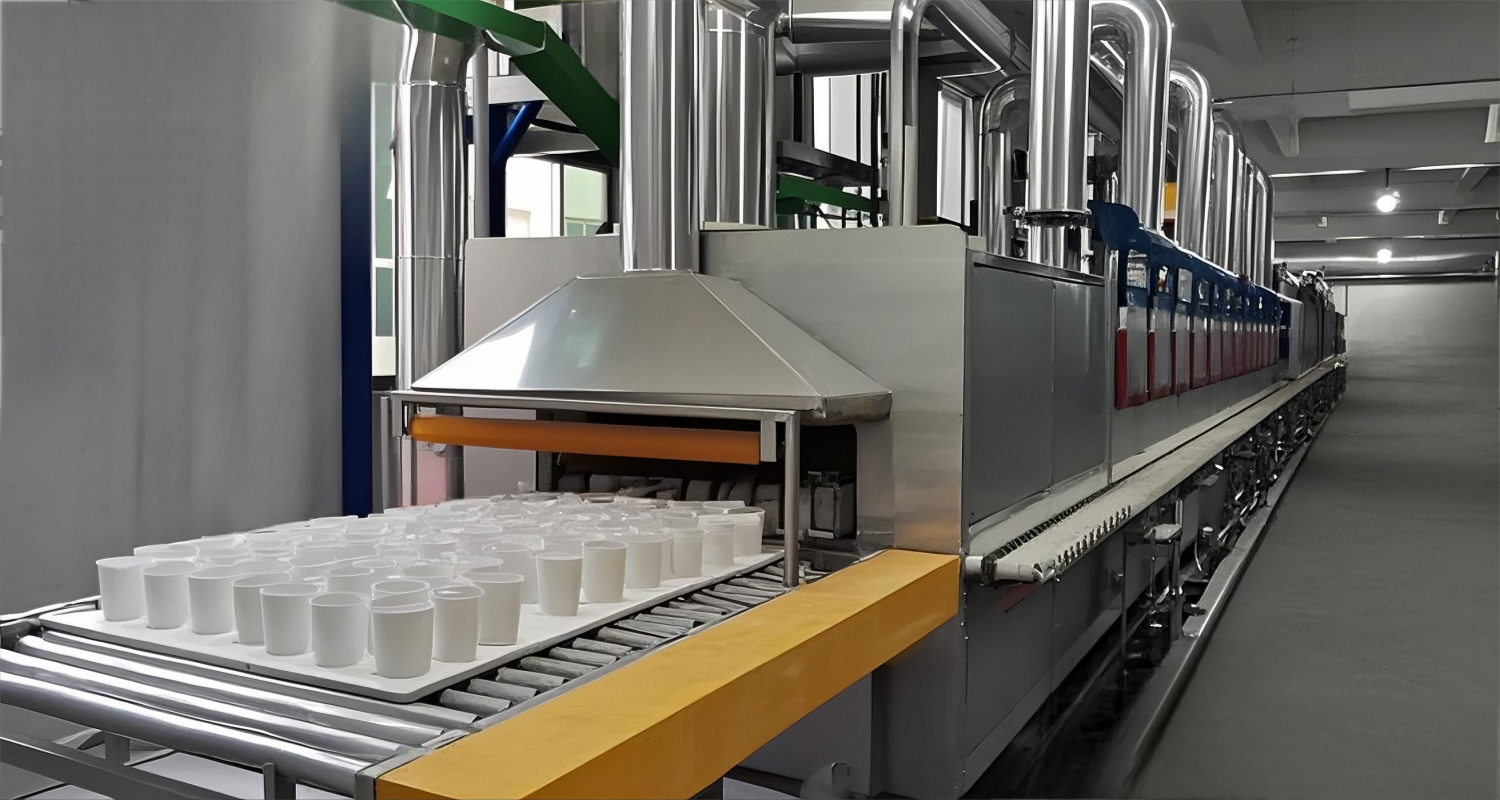
The design of a Roller Kiln allows for very accurate control over the temperature profile and transit time, which is crucial for consistent product quality, especially for items with strict dimensional or aesthetic requirements. The continuous nature of the process also contributes to higher energy efficiency compared to batch kilns, as there is no repeated heating and cooling of the kiln structure itself.
The adoption of Roller Kiln technology supports the high-volume, standardized production needs of the global ceramics industry. Its ability to handle a wide range of products, from thin porcelain tiles to technical ceramics, makes it a versatile asset in a manufacturing plant. The ongoing use and development of the Roller Kiln highlight its role as a reliable and efficient solution for industrial-scale ceramic firing.
Contact Us
E-mail:
Phone:
Address:
Suixian Industrial Agglomeration Zone, Henan Province
Contact Us
WhatsApp: +86-15738864071
Mobile Phone: +86-15738864071
Email: yaxinkiln@outlook.com
Address: Suixian Industrial Agglomeration Zone, Henan Province

Inquiry
Please enter your contact information and we will contact you as soon as possible.